There’s a gravity that comes with every new release from Dayseeker. They’ve never been a band that hides behind pretty words or empty hooks. They tear their pain out by the roots and hold it up for everyone to see. This album doesn’t just step into the dark. It sinks into it.
The songs feel less like tracks and more like confessions whispered into the night. It’s the kind of record that presses against your ribs and makes you remember the things you tried to bury. Grief, addiction, self-sabotage. The silence that follows loss.
I’ve had this record on repeat for hours, letting every line unravel itself. I’ve sat with it, broken it apart, felt its weight settle in. Some albums are meant to be heard. This one demands to be felt.
You don’t just hear this album. You feel it crawl its way in. It’s honest, unflinching, and brutal in the way only real pain can be. And somehow, in that darkness, it finds a strange kind of beauty.
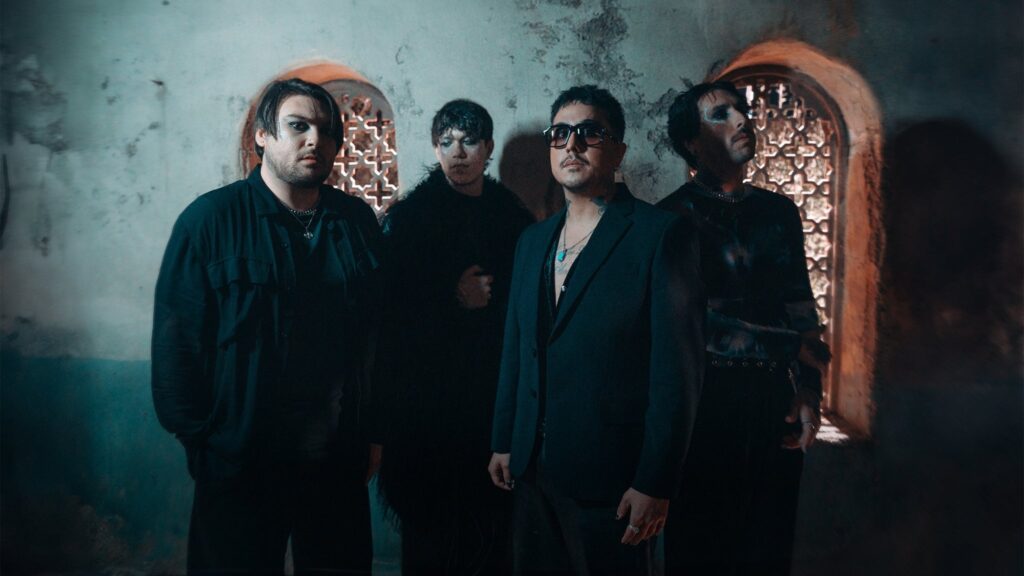
The descent begins with Pale Moonlight, a song that doesn’t knock before entering. It slips in like a shadow, steady and cold. This track breathes in the space between control and collapse, where destruction doesn’t scream, it whispers. It’s that quiet pull in the night when the past starts calling and a part of you wants to answer.
The lyrics burn slow. “I didn’t need help to ruin my life” isn’t written to sound clever. It’s a confession. A moment where the mask slips and what’s left is a person standing face to face with their own ruin. “Dancing with the devil in the pale moonlight” circles through the song like a ritual, a reminder that some cycles never really end.
The verses move with a steady hand, patient and deliberate. Then the chorus hits like a cold wave that doesn’t crash but sinks its teeth in and drags you under. The breakdown isn’t a plea for light. It’s a quiet surrender to the thing waiting in the dark. That final stretch lands like a breath you can’t quite catch, the kind that stays with you after the music fades.
But what makes Pale Moonlight cut so deep isn’t just its words. It’s the way it breathes. The opening instrumental feels weightless, like standing still while something edges closer. Each note creeps in like fog, and Rory’s voice doesn’t break into the track, it seeps through it, low and unguarded. When the chorus swells, it’s less of a rise and more of a fall, a pull straight down into something you’ve been running from. There’s no guitar scream trying to save you, no hopeful refrain. It’s just him, the night, and the devil at the door.
This song doesn’t start the album with an explosion. It starts with a reckoning. A soft, quiet undoing that you don’t even realize has its hands around you until it’s too late
Creature in the Black Night beats like a love song wrapped in teeth. There’s something soft beneath its edge, a feeling that lingers long after it should have been buried. “You run like a creature in the black night” slips through the chorus like a warning and a promise. It doesn’t feel like a song. It feels like a memory that never stopped breathing, waiting in the dark for a way back in.
The verses move slow, close enough to feel their breath. “Guilty hands can’t hide their plans” sets the tone with a kind of dangerous intimacy. It isn’t warmth. It’s the weight of love when it twists. The chorus moves like a hunt, one heart running, the other refusing to stop. Every line hovers between desire and fear, love and something just a little darker.
The tempo holds steady, stalking the vocals like footsteps in the dark. Rory’s voice is low and smooth through the verses, then sharpens in the chorus, cutting through the air like a blade. After that guttural hit, the pulse breaks loose, and everything surges forward. The beat quickens. The shadows split. The song claws its way toward the light. It isn’t escape. It’s eruption.
There’s a fever in this track that builds in silence before it bursts. It never races out of control. It circles. It waits. The guitars slither beneath the vocal lines, patient like a predator, and when Rory finally lets go, it feels like that breath before impact. His delivery turns from a whisper to a snarl in a heartbeat, and the whole track blooms into something alive. It isn’t just love or hunger. It’s both. It’s the collision of want and fear.
Nothing about this song feels clean. It lives in that in-between space where affection bleeds into obsession and tenderness grows fangs. It doesn’t reach for the light. It waits in the dark and dares you to step closer.
Crawl Back to My Coffin feels like love that never stopped breathing. It lives in that fragile space between letting go and being pulled back in. When he sings “what a goddamn shame, I thought I had a pulse again,” it lands like someone exhaling after pretending they were fine.
The verses move like slow steps back toward something familiar. “Can you tell me what it’s like to bring the dead back to life” slides through the track like a whisper meant for one person and no one else. The chorus swells with the weight of a decision already made. It’s not about running. It’s about giving in. “Just to crawl back to my coffin” isn’t defeat. It’s surrender to a love that never really died.
The guitars warm everything around it. Clean tones with soft electronic layers wrap the melody in a way that makes the hurt feel almost gentle. Rory’s voice cracks in all the right places. It doesn’t beg. It remembers.
Beneath that warmth is something quietly devastating. The verses move with a patience that feels like returning to a house you swore you’d never enter again. You already know every creak in the floor. You already know the door will be open. The way Rory delivers each line is more than pain. It’s familiarity. It’s muscle memory. It’s someone walking back into the storm because it’s the only place that still feels like home.
When the chorus blooms, the sound isn’t sharp or violent. It’s heavy and tender at the same time. The guitars lean in, the backing swells just enough to give his voice space to ache. You can hear the weight of every step in his delivery. It’s love that never got the chance to rest in peace.
This track isn’t just about being dragged back. It’s about wanting to be. It’s the sound of a love that refused to stay buried.
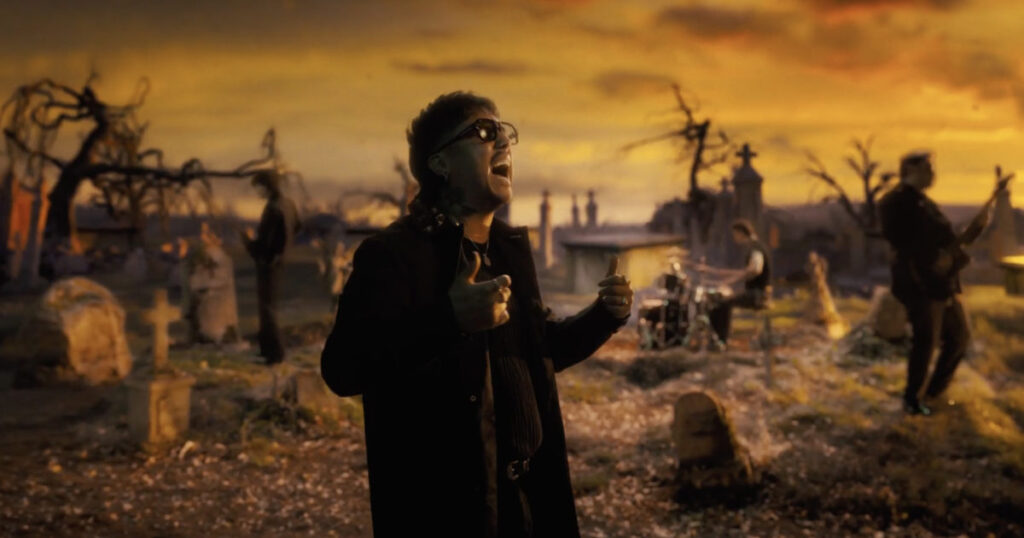
Shapeshift feels like watching someone you love disappear into their own darkness. It begins quiet, almost distant, with “you’re turning into a shadow” whispered like a truth no one wants to say out loud. The verses paint the scene piece by piece: black hands, red eyes, shadows that cling to everything they touch. It’s less about the monster outside and more about the one taking root inside.
The turning point comes when Rory cries “something wicked in the way it moves, terrorizing every part of you.” The guitars break open here, howling through the dark in a way that feels both violent and heartbroken. His voice drops deep, then cracks like he can’t believe what he’s seeing. It’s the sound of love watching itself vanish.
The tempo never races. It creeps. Every note builds toward that unraveling, letting the weight of it sit heavy. Rory’s vocal delivery mirrors that shift, soft at first, then cut open with disbelief. The guitars wail like something alive, wrapping around the chorus as if trying to hold it all together.
There’s a slow, aching grief at the center of this song. It’s not loud. It’s the sound of someone standing in the doorway, watching a familiar face slowly become unrecognizable. It’s the helplessness of knowing love can’t stop the transformation. Each chorus lands like a hand reaching into the dark, only to close around air.
Just as the last echo of that wail dissolves, the heat rises. Sharp. Focused. Merciless.
Soulburn is fire without flames. It opens like a wound that’s already scarred, with “you are a phoenix that died within” dropping like a quiet curse. There’s no roaring guitar here, no walls of noise. Just Rory and a synth line that feels cold and unblinking. It gives his voice nowhere to hide.
Every lyric hits like a clean cut. “I’d love to see your soul burn alive” doesn’t come out as a scream. It falls steady, like someone who’s done carrying the weight of what happened. The verses unravel with that quiet, simmering hatred that lives long after the shouting is over. This isn’t a cry for closure. It’s a front row seat to the fall.
The tempo moves fast beneath it all, steady like a heartbeat that refuses to calm down. The synths glide and twist, leaving Rory’s voice alone in the spotlight. There’s pain in every word, not frantic, just precise.
What makes this track sting is its restraint. It never bursts into flames, it just smolders. The sharpness of the production makes every line feel closer, like it’s being whispered through clenched teeth. His delivery is stripped of theatrics. It’s controlled. Heavy. Unforgiving. It’s the kind of pain that no longer needs to prove itself.
And from the flames, something raw and ugly stares back. Not a lover. Not a ghost. Just the darkness you’ve been trying to outrun.
Bloodlust isn’t a love song. It’s a reckoning. It opens with “two different sides of the story,” but the further it goes, the clearer it becomes that the enemy isn’t someone else. It’s the reflection staring back.
The chorus drips with hunger. “Drain the blood from me like it never ends” feels less like an accusation and more like a confession. “Cling to my skin like a leech” lands like a man choking on his own darkness. Then the break comes. “You’re a slave to the bloodlust” doesn’t sound like it’s aimed at a stranger. It’s aimed inward. Rory’s voice cracks into something feral here, a flash of raw fury, then pulls back into a melodic calm that’s almost unsettling.
The tempo drives fast, heartbeat tight, pushing his vocals to the edge without drowning them. The synth and rhythm section give the track a pulse that never lets up. His delivery swings between rage and control, like a man clawing at his own skin.
What makes this track hit so hard is its honesty. It doesn’t paint the monster in someone else’s image. It forces the mirror up. The verses build like rising panic and the chorus locks its hands around your throat. There’s a violence that doesn’t need to be loud. It’s already inside. It’s already waiting.
But rage can’t live forever. When it finally exhales, it leaves behind only devotion. Quiet. Cold. Unmoving.
Cemetery Blues isn’t a goodbye. It’s a promise whispered from the grave. It opens soft and weightless, with “when the callous forms on your weary feet, I would carry you till the devil is asleep” laying the foundation like a vow already kept. This isn’t a song about love lost. It’s about love that lingers long after everything else is gone.
The verses ache with quiet devotion. “I was patient there in the cemetery, watched the flowers bloom through the dirt I’m underneath” doesn’t ask for rescue. It’s acceptance. It’s the sound of someone still waiting long after the world has moved on. Rory’s delivery is soft here, like a voice echoing through the headstones. It doesn’t rise, it lingers.
And then it blooms. The calm gives way to something bigger as the band surges behind him. “The afterlife is colder than they told me it would be.” The repetition of “carry me until the devil is asleep, watch me bloom from the dirt I’m underneath” feels less like mourning and more like resurrection through memory. The instrumentation lifts like a slow tide, pulling everything with it.
The beauty of this track is how it refuses to fade into sorrow. It holds onto something tender, even as it stands in the cold. It doesn’t pretend the grave is warm. It just chooses to stay anyway.
And just as that last note stretches out over the soil, the warmth turns venomous again. This time, wrapped in silk.
Nocturnal Remedy moves like a heartbeat that refuses to calm down. It opens sharp, heavy with want, a love wrapped in poison. “Craving her touch, but you feel like a stranger” sets the tone like a wound that never closed. “Feel your teeth underneath my skin” doesn’t plead. It remembers. It clings to pain because it’s all that’s left of something real.
The verses slide in with a quiet kind of hunger, that desperate pull toward something you know is bad for you but crave anyway. The instrumentation pulses beneath his voice like blood through clenched teeth. There’s tension in every measure. Rory doesn’t need to raise his voice here; the weight is already there.
Then the bridge cuts through like steel pulled from the dark. “Sooner or later, you’re down on your knees” bursts from his throat like a truth too heavy to keep buried. “In the dark, she comes to take away the pain, and she’ll become the only thing you love to hate.” It isn’t resistance anymore. It’s collapse. The scream isn’t thrown at the world. It’s turned inward, aimed at the place that still reaches for the fire.
The sound grows wider, rising like a storm that refuses to break. Drums hit with the force of a pulse trying to claw its way out of the chest. The synth and guitars weave around each other, tightening the grip instead of loosening it. When the vocals fall back into melody, it isn’t relief. It’s the quiet after the poison sinks in.
And once the venom settles in the bloodstream, there’s only silence. Cold. Heavy. Numb. That silence doesn’t heal. It just lingers long enough to remind you what’s missing.
The Living Dead doesn’t reach for the sky. It sinks. The opening feels like standing on an empty street at 3 in the morning, the world holding its breath. Flickering streetlights and quiet pavement set the stage, a stillness that wraps itself around the first line. “There’s a headlight racing toward me, but I don’t think that I care” lands like someone who burned through their fear a long time ago. There’s no panic left. Just the soft, steady rhythm of a heartbeat that forgot how to rise.
The verses move like slow steps through fog, each one heavier than the last. “Call my friends, good at playing pretend” drifts through the chorus like a tired lie. It’s the kind of line that doesn’t try to sound poetic. It just hurts because it’s real. “Novocaine numbing me to the pain” doesn’t fight back. It accepts the numbness because feeling anything else is worse.
Rory’s voice doesn’t rise here. It sinks with the weight of everything left unsaid. The instrumentation breathes around him like the world moving without him, soft layers of guitars and drums keeping time with a pulse that’s barely there. It isn’t hopelessness shouted into the void. It’s the quiet ache of someone who’s already convinced no one will listen.
And from that stillness, a figure steps out of the fog. Familiar. Inevitable.

Meet the Reaper doesn’t run from the end. It walks toward it. The tempo moves with purpose, steady and unflinching beneath the weight of what’s coming. “I collapse through the ceiling, coming off your high, you’re the last seven minutes before I die” lands like a whisper meant for no one else to hear. It’s quiet, not frantic. The sound of someone who has already accepted what waits for them.
The verses unravel like slow footsteps across a cold floor. There’s a strange kind of calm in the way Rory sings “I can’t wait to meet the reaper, feel the sting of death a little deeper.” Death isn’t a monster here. It’s a familiar hand reaching out. The fear that’s haunted every song before this one finally loosens its grip.
The chorus swells without needing to break anything. No explosion. No desperate cry. Just a tide that rises and carries everything with it. “I’ve sealed my fate, forget my name, there’s no escape” isn’t resignation. It’s acceptance. The guitars stretch like a horizon fading into black, while the drums keep that relentless, patient pace.
The song doesn’t beg for more time. It opens its arms. It feels like closing your eyes and stepping into the dark, not to disappear, but to stop running.
And in that darkness, a final whisper waits. Not a scream. Not a plea. Just the soft sound of someone letting go.
Forgotten Ghost closes the record like a confession spoken to the empty air. It opens with “If it’s all the same to you, I think we need a clean break,” and for the first time across this descent, the voice isn’t shaking. It’s steady, worn and ready.
The verses move like a late-night drive with no destination, headlights carving through quiet streets. “You got a paper thin ego with an attitude, a knife to dig deeper in my open wound” cuts like someone finally telling the truth after years of swallowing it. There’s no more pretending. No more reaching for what’s already gone. “Blame me forever for your detriment if it keeps you warm on your death bed” isn’t surrender. It’s a boundary drawn in the ashes.
The instrumentation hums beneath him like a pulse finally slowing. Synths swell, not to rise, but to hold the moment still. Rory’s voice floats over it like smoke, steady and fragile all at once. “You’ll haunt me when I need you most and fade like a forgotten ghost.” It doesn’t sound like a love song. It sounds like acceptance. The kind that comes after the storm, when nothing is left to fight over.
As the final notes stretch out, they don’t crash. They drift. The silence that follows doesn’t feel empty. It feels earned. A weight carried too long finally set down.
Creature in the Black Night doesn’t comfort. It doesn’t reach out a hand. It pulls you under and lets the silence speak. It begins with Pale Moonlight, where destruction slips in like a shadow and refuses to leave. From there, the record twists through temptation, grief, love, and surrender. Creature in the Black Night stalks the dark with longing that feels almost alive. Crawl Back to My Coffin aches with the weight of a love that refuses to stay buried. Soulburn strips away the noise until it’s just Rory and the fire still burning in the wreckage.
Bloodlust turns inward, locking eyes with the reflection you’ve been running from. Cemetery Blues blooms from the grave, a vow that lingers beyond the end. Nocturnal Remedy pleads beneath the venom, still reaching for someone who’s already gone. The Living Dead lets the numbness settle like smoke. Meet the Reaper doesn’t fight the darkness anymore; it opens its arms to it. And Forgotten Ghost doesn’t explode. It whispers the truth.
This record moves like a slow descent through everything we bury. Each song strips away another layer until only the rawest parts remain. It doesn’t offer a hand out of the dark. It simply sits there with you, unafraid to name the things most people won’t.
There’s no clean resolution waiting at the end. No neat bow. It accepts love, loss, and death exactly as they are and leaves the listener standing in the quiet with nothing but their heartbeat.
This isn’t a record built to make you feel safe. It’s built for the ones who have carried grief silently. For those who’ve loved to the point of ruin and still find themselves reaching for what’s gone. For the ones who know that sometimes survival isn’t loud. Sometimes it’s just breathing through the dark.
And if you’ve ever felt the weight of something you couldn’t name, if you’ve ever stood in that silence alone, this record finds you. It doesn’t fix you. It doesn’t promise the light. It just stays. Right there in the dark. With you.
Creature in the Black Night doesn’t just sound like pain. It lives in it. It lives in you. And long after the last note fades, it lingers in the silence, breathing beside you, like a shadow that never truly left.
Track List:
- Pale Moonlight
- Creature In The Black Night
- Crawl Back To My Coffin
- Shapeshift
- Soulburn
- Bloodlust
- Cemetery Blues
- Nocturnal Remedy
- The Living Dead
- Meet The Reaper
- Forgotten Ghost

This is so beautifully written <3
I think the album is a masterpiece. I just started listening to the band seriously when this album was released I can’t get enough of it! 🔥🎶🔥